Ever had that uneasy feeling that your car’s running on fumes, watching the gauge sit below E, and doing quick math on whether you’ll reach the next station? You’re not alone, and you’re in the right place. Running a tank down to empty isn’t just inconvenient in Dubai; in extreme summer heat, being stranded roadside is a genuine safety risk, and repeatedly running the tank dry can actually damage your fuel pump, which relies on petrol to stay cool.
In this guide, I’ll walk you through the clear warning signs that your car needs fuel from the obvious to the ones most drivers miss, why running too low is riskier than it looks, and exactly what to do the moment you realise the tank’s near empty.
Why Paying Attention to Your Fuel Level Matters
Watching your fuel level is about more than avoiding an empty tank; running consistently low can actually cost you money and cause damage. Your fuel pump sits inside the tank and relies on being submerged in petrol to stay cool and lubricated; regularly running near-empty makes it run hotter and wear out faster, and an empty tank can also draw sediment from the bottom into the fuel system. Add Dubai’s heat, where a roadside breakdown is a genuine safety concern rather than a mild inconvenience, and a habit of pushing the gauge to E becomes a real risk.
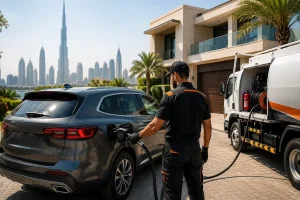
The reassuring part is that your car warns you well before it runs dry, so a little awareness is usually all it takes to stay ahead of it. And if you do get caught short, you’re rarely as stuck as it feels a reliable fuel delivery in Dubai service can bring petrol straight to your location, turning what used to mean a long walk in the heat into a short wait.
What Are the Warning Signs Your Car Needs Refueling?
Your car communicates a low fuel level in several ways, and learning to read them helps you act before it’s too late. The most common warning signs include:
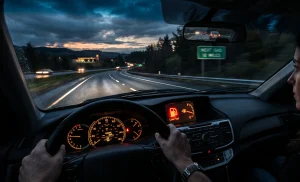
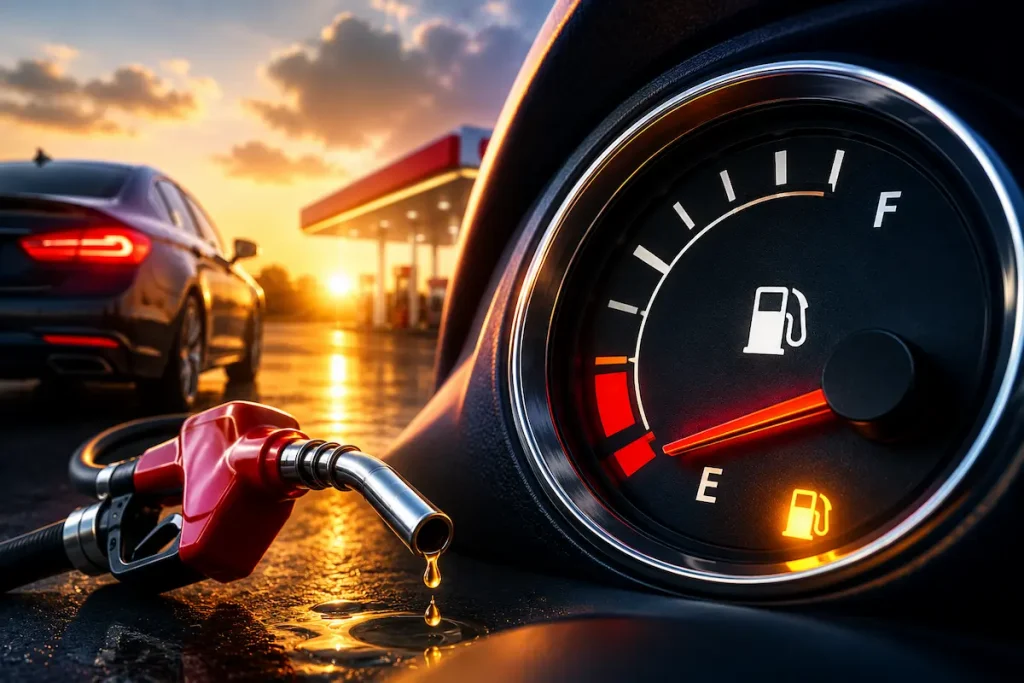
- The low-fuel warning light glows on your dashboard, the clearest signal of all.
- The fuel gauge sits at or below “E,” showing the tank is nearly empty.
- The distance-to-empty reading drops low, often warning you have only a few kilometres left.
- The engine sputters or hesitates, especially when accelerating.
- The car jerks or stalls at low speeds as fuel runs short.
- Hard starting, where the engine cranks longer than usual before catching.
- A whining noise from the fuel pump, which can struggle when the tank runs dry.
If you notice one or more of these signs, it’s time to refuel as soon as possible.
Why Running Out of Fuel Is Bad for Your Car
Running on empty isn’t just inconvenient, it can actually harm your vehicle. Your fuel pump relies on petrol to stay cool and lubricated. When the tank runs very low, the pump can overheat and wear out, leading to an expensive repair.
An empty tank can also pull in dirt and sediment that normally settle at the bottom, sending debris into the fuel lines and filter. On top of that, repeatedly draining the tank puts extra strain on the whole fuel system. Refueling before you hit empty is a simple habit that protects your car and your wallet.
What Should You Do If You’re Running Low in Dubai?
If your fuel light is on, the safest move is to refuel quickly rather than push your luck. Plan a stop at the nearest station, and avoid heavy acceleration or high speeds, since aggressive driving burns through your remaining fuel faster.
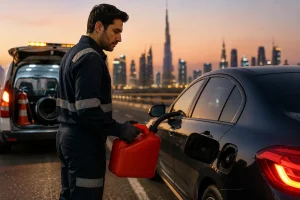
If you actually run out, pull over safely, switch on your hazard lights, and move away from fast-moving traffic where possible. Instead of risking a walk along a hot highway, you can call for fuel to be delivered directly to you. This is especially helpful on long routes like Sheikh Zayed Road, where stations can be far apart and stopping in traffic isn’t always easy.
How to Avoid Running Low in the First Place
The easiest way to avoid fuel trouble is to refuel before the tank gets critically low. Many drivers make a habit of filling up once they reach a quarter tank, rather than waiting for the warning light. This gives you a comfortable buffer for traffic, detours, or unexpected delays.
It also helps to plan ahead on longer journeys and to keep an eye on your fuel gauge during busy weeks when refueling is easy to forget. In Dubai’s climate, where idling in traffic and running the air conditioning use extra fuel, a little planning keeps you from cutting it too close.
Why Fuel Delivery Is a Smart Backup
Even careful drivers get caught out sometimes, and that’s where on-demand fuel delivery becomes a real lifesaver. Instead of stressing over an empty tank, you can have petrol brought to your home, office, or roadside location at a time that suits you.
This convenience is useful for busy professionals, families juggling tight schedules, and anyone who would rather skip the queue at the pump. It turns a stressful low-fuel moment into a simple, manageable task, and keeps you moving without the hassle.
Frequently Asked Questions
How far can I drive when the fuel light comes on?
It varies by car, but most vehicles can travel roughly 40 to 80 kilometres after the light appears. It’s best not to rely on this and to refuel as soon as you can.
Is it bad to drive with the fuel light on?
Yes. Driving on very low fuel can damage the fuel pump and pull debris into the system. It’s safer to refuel before the tank gets that low.
What happens if my car runs out of fuel completely?
The engine will stall and stop. Beyond being stranded, an empty tank can strain the fuel pump and may introduce air or debris into the fuel lines.
What should I do if I run out of fuel on a Dubai highway?
Pull over safely, turn on your hazard lights, and stay clear of traffic. You can then call a fuel delivery service to bring petrol to your location.
How can I stop my car from running low so often?
Make a habit of refueling at a quarter tank, plan ahead for long trips, and check your fuel gauge regularly, especially during busy or hot days.
Conclusion
Your car always warns you before it runs out of fuel, from the dashboard light and dropping gauge to sputtering and hard starts. Spotting these signs early protects your engine, your safety, and your schedule, particularly on Dubai’s long, busy roads.
Next time the tank runs low, don’t risk getting stranded. Keep an eye on the warning signs, refuel in good time, and remember that doorstep fuel delivery is always there as a quick, stress-free backup.