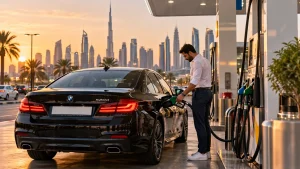
Yusuf had always filled up with regular 95 octane, until a colleague convinced him his SUV would “run smoother” on Super 98. He paid the extra few dirhams a liter for a full tank, drove around Dubai for a week expecting to feel the difference, and honestly, couldn’t tell if anything had changed at all. Was he imagining it, or was premium petrol simply wasted money on his particular car?
This is one of the most common questions we get from customers requesting fuel delivery across Dubai, does paying more for premium petrol actually translate into better performance, or is it mostly marketing? As a fuel delivery service that handles a wide mix of vehicles daily, from entry-level sedans to high-performance SUVs, we’ve seen firsthand how much the answer depends on one specific factor: what your engine was actually built for. Here’s what premium petrol really does, and when it’s worth the extra cost.
What “Premium” Petrol Actually Means
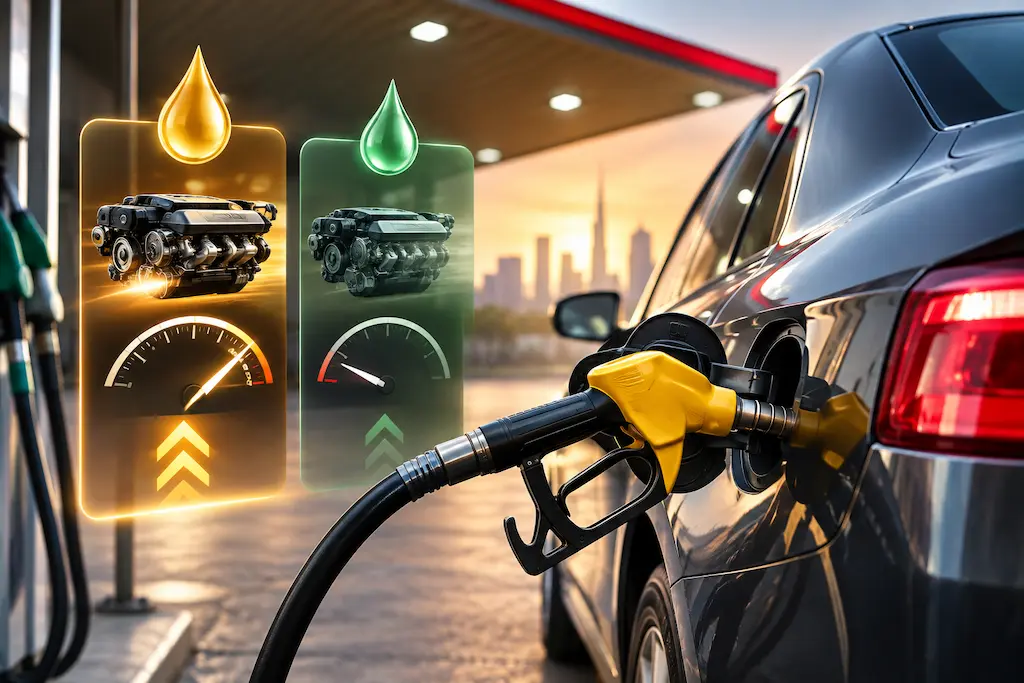
In the UAE, petrol is generally sold in a few main grades, commonly Special 95 and Super 98, distinguished primarily by their octane rating. Octane measures a fuel’s resistance to “knocking”, the uncontrolled, premature ignition of the fuel-air mixture inside the engine. Higher octane fuel resists this knocking more effectively, which matters most in engines with higher compression ratios, typically found in performance-oriented or turbocharged vehicles.
Importantly, octane rating has nothing to do with how much energy the fuel contains or how “pure” it is. A litre of 95 octane and a litre of 98 octane deliver essentially the same energy, the difference is purely in how each fuel behaves under pressure and heat inside the combustion chamber.
Does Premium Fuel Improve Performance in Every Car?
Not automatically, and this is the part most drivers misunderstand. If your car’s manufacturer specifically recommends or requires premium fuel, usually stated in the owner’s manual or on a sticker inside the fuel cap, then yes, premium petrol allows the engine to run at its intended timing and compression, which can genuinely improve performance and efficiency.
However, if your car is designed to run on regular fuel, using premium instead typically provides no noticeable benefit. Modern engines are equipped with knock sensors that automatically adjust ignition timing based on the fuel used, so a regular-fuel engine won’t suddenly perform better on higher octane, it simply won’t need the extra knock resistance in the first place.
When Premium Petrol Does Make a Real Difference
There are a few situations where premium fuel is worth considering, even if it’s not strictly required:
- High-performance or turbocharged engines, which are specifically tuned to take advantage of higher octane resistance to knocking.
- Luxury and performance SUVs, many of which are engineered around premium fuel specifications from the manufacturer.
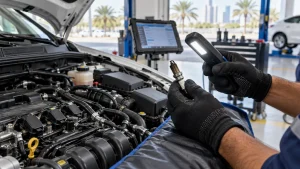
- Older engines showing signs of knocking or pinging, where a higher octane fuel can sometimes reduce these symptoms, though this is worth pairing with a proper mechanical check rather than relying on fuel alone.
When It’s Simply Not Necessary
If your car is a standard passenger vehicle with no manufacturer requirement for premium fuel, paying extra for Super 98 is unlikely to deliver a performance improvement you can actually feel or measure. In these cases, that extra cost is better spent on regular maintenance, which has a far more measurable impact on how your car runs day to day.
The Real Factor: Using the Right Fuel Consistently
Whether you’re using regular or premium petrol, consistency matters more than most drivers realize. Frequently running your tank low, delaying refuels until the warning light appears, or mixing fuel grades irregularly can affect your car’s performance more than octane choice ever will. If you’re unsure how much driving range you actually have once the fuel warning light comes on, our guide on how long you can drive after the fuel warning light comes on explains what happens and why waiting too long can put unnecessary stress on your vehicle.
In some cases, drivers continue pushing their cars until the tank is completely empty, which can leave them stranded on the road. If this happens, knowing what to do when your car stops due to an empty fuel tank can help you stay safe and get the right assistance quickly.
Getting the Right Fuel Delivered, Wherever You Are
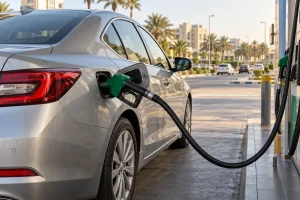
Whether your car requires premium fuel or runs perfectly well on regular, the more practical challenge in a busy city like Dubai is simply getting the right fuel when and where you need it, especially if you’re stuck without enough to reach a station. A reliable petrol delivery in Dubai service can deliver the exact grade your car needs directly to your location, whether that’s Super 98 for a performance vehicle or Special 95 for a daily driver, without the detour to a forecourt. If you’ve ever wondered whether this kind of on-demand delivery is handled safely, our breakdown of whether emergency fuel delivery is safe covers exactly what proper handling looks like.
Frequently Asked Questions
Will premium petrol make my regular car faster?
Not noticeably. If your car doesn’t require premium fuel, the extra octane offers no meaningful performance boost since the engine wasn’t designed to take advantage of it.
Is premium petrol better for fuel economy?
Only if your car is designed for it. In vehicles that require premium, using regular fuel can sometimes reduce efficiency, but the reverse, adding premium to a regular-fuel car, rarely improves it.
How do I know if my car needs premium fuel?
Check your owner’s manual or the sticker inside the fuel cap. If it says “premium required,” your engine is built around higher octane fuel. If it says “regular unleaded,” premium won’t add measurable benefit.
Can using premium fuel damage a regular engine?
No, using premium fuel in a car that doesn’t require it isn’t harmful, it’s simply an unnecessary expense rather than a risk.
Does higher octane fuel clean my engine better?
Some premium fuels include added detergents, which can help reduce carbon deposits over time, but this is a separate benefit from octane rating itself and varies by fuel brand.
Conclusion
Premium petrol isn’t a universal performance upgrade, it’s a match for specific engines built to use it. If your car requires or is tuned for premium fuel, the extra cost is genuinely worth it. If it isn’t, that money is better spent on consistent maintenance and simply keeping your tank from running dangerously low. Yusuf’s SUV, as it turned out, was built to run on regular 95 octane all along, the “smoother feel” he expected from premium fuel was never really there to begin with.